
Meta Description: Understand how glass food storage containers exemplify circular economy principles—designed to be used, reused, and infinitely recycled.
The circular economy represents a fundamental shift from "take-make-waste" to systems where materials continuously circulate. Glass food storage containers exemplify circular economy principles, offering a model for sustainable product design.
What Is Circular Economy
Traditional linear economy extracts resources, manufactures products, uses them briefly, and discards them. Circular economy keeps materials in use, designs out waste, and regenerates natural systems. Products are durable, repairable, and ultimately recyclable.
Glass as Circular Material
Glass meets circular economy criteria perfectly. It's made from abundant natural materials—sand, soda ash, limestone. It lasts indefinitely with proper care. It recycles infinitely without quality loss. Used glass becomes new glass, again and again .
Durability First
The most sustainable product is the one that lasts longest. Glass food storage containers endure decades of use. One glass container replaces dozens of disposable or short-lived alternatives, preventing waste at source .
Repairability
Although the glass itself cannot be repaired, the glass container system includes replaceable components. The lid and seals can be replaced when worn, thereby extending the lifespan of the container. Lock&Lock offers a lifetime warranty on the lid, supporting this reparability.
Recycling Infrastructure
Glass recycling infrastructure exists worldwide. Unlike some materials that require specialized facilities, glass recycles in standard systems. IKEA aims to eventually use only recycled glass, demonstrating circularity at industrial scale .
Design for Disassembly
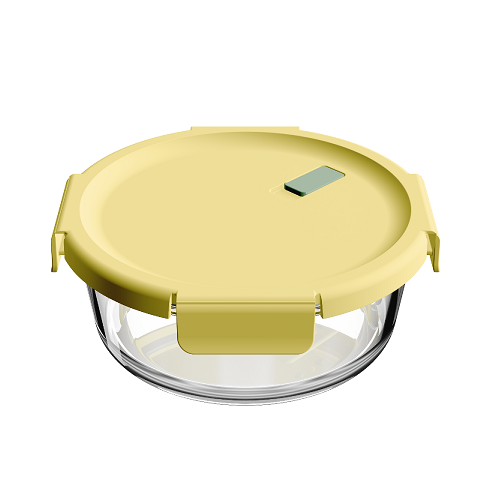
Quality glass food storage containers separate easily into components—glass body, plastic frame, silicone seal. This design for disassembly enables proper recycling of each material at end of life.
Closed-Loop Systems
Some manufacturers explore closed-loop systems where consumers return used containers for recycling into new products. This eliminates disposal entirely and creates true circularity.
Energy Considerations
Melting recycled glass requires 40% less energy than creating new glass from raw materials . This energy saving compounds with each recycling cycle, reducing environmental impact over time.
Waste Hierarchy
The waste hierarchy prioritizes: reduce, reuse, recycle. Glass food storage containers address all three. They reduce waste through longevity. They enable reuse through durability. They facilitate recycling at end of life .
Consumer Role
In circular economy, consumers participate actively. Choose durable glass food storage containers. Maintain them properly. Replace only worn lids. Recycle responsibly at end of life. Your choices complete the circle.
Beyond Individual Action
Circular economy requires systemic change. Supporting brands committed to circularity signals demand for sustainable products. Advocating for better recycling infrastructure improves systems for everyone.
The Circular Kitchen
Imagine a kitchen where nothing becomes waste. Food scraps compost. Containers last indefinitely. Packaging returns for refill. Glass food storage containers are one piece of this vision—proving circularity is possible.
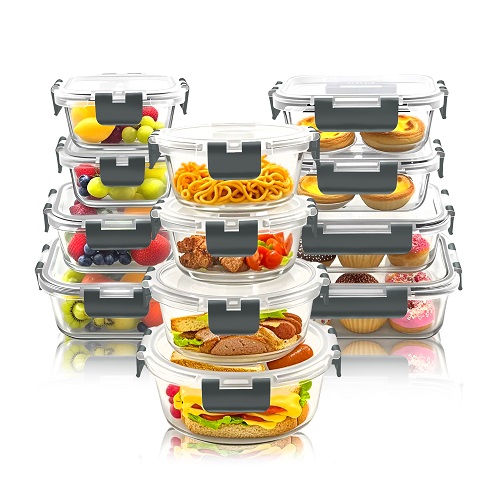 Glass Food Storage
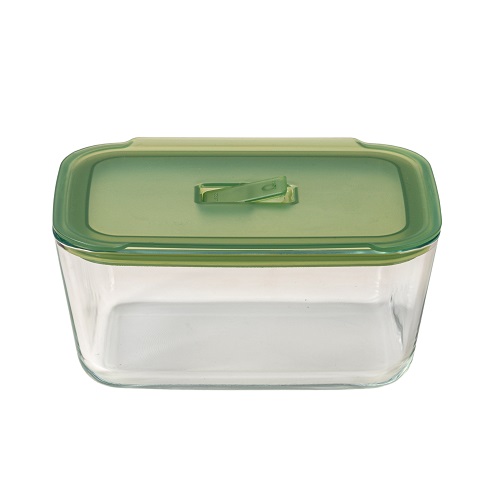 Vacuum Food Storage
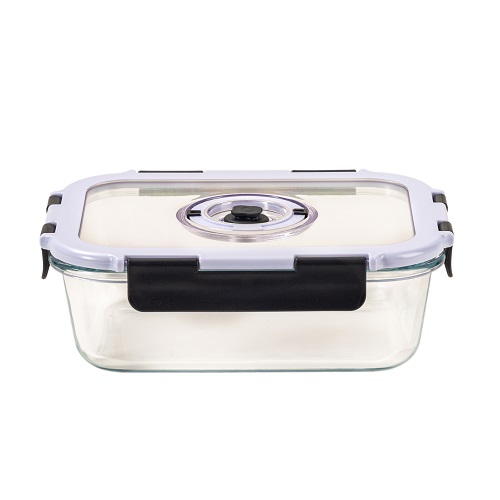 Vacuum Food Storage with Pump
 October 11,2026
 October 11,2026
 October 07,2026
Copyright ©2025 All Rights Reserved by Jiangsu Besfull Technology Co., Ltd.