
Meta Description: Understand BPA-free plastic containers in 2026. Learn what BPA-free really means and whether substitutes are safer.
BPA-free labels appear on countless plastic containers. But in 2026, what does BPA-free really mean? Here's what you need to know.
What BPA-Free Means
BPA-free means the plastic container doesn't contain Bisphenol A. However, BPA-free doesn't mean chemical-free. Manufacturers may use substitutes like BPS or BPF.
The BPA Concern
BPA is a chemical found in hard plastics and is a known endocrine disruptor. Exposure to BPA has been linked to hormone disruption, infertility, cancer, and hyperactivity in children. BPA can dissolve into your food when plastic is heated or exposed to fat, acidity, and wear.
BPA-Free Substitutes
Manufacturers have pivoted away from BPA. However, substitutes may carry similar risks. BPA-free doesn't mean it's safe to store all kinds of foods.
Health Risks of Plastic Chemicals
Chemicals from plastics can cause behavior problems. These health risks are worse for babies and children. Studies show that chemicals having estrogenic activity (EA) reportedly cause many adverse health effects, especially at low doses in fetal and juvenile mammals.
Safer Plastic Numbers
In general, safer choices for food use are numbers one, two, four, and five. However, there are still risks. Manufacturing standards may vary, which can inadvertently expose you to harmful chemicals. Avoid containers with recycling codes 3, 6, or 7.
The Safest Alternative
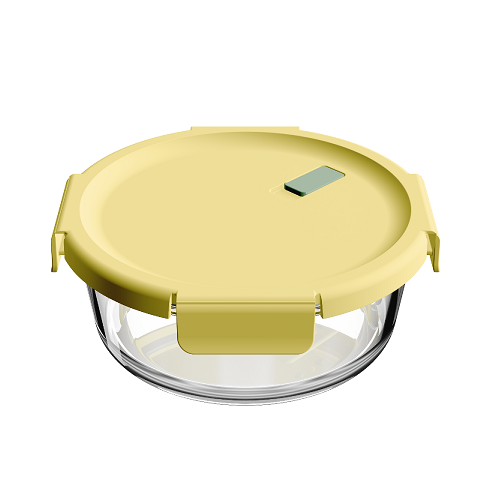
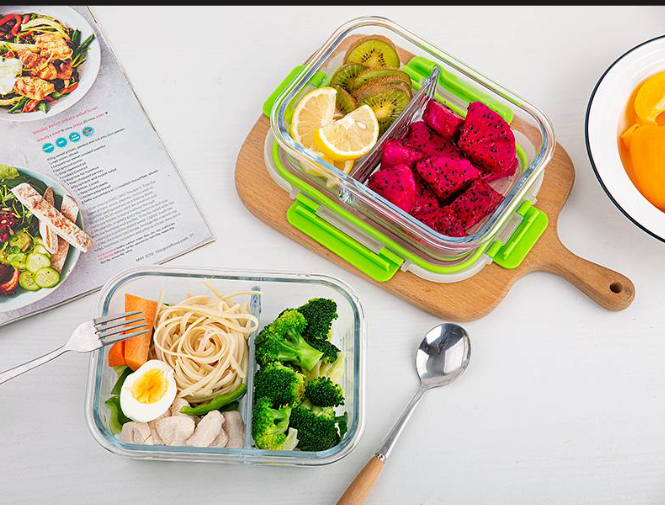
Glass and stainless steel containers contain no BPA, no substitutes, no questionable additives. They're the truly chemical-free choice.
The Bottom Line
BPA-free is a step in the right direction. But for those seeking to minimize chemical exposure, glass or stainless steel remain the safest choices.
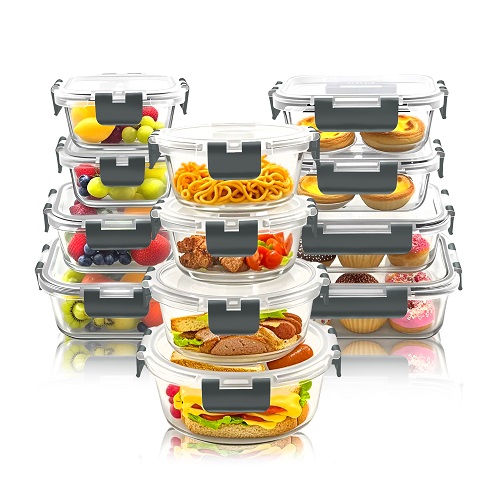 Glass Food Storage
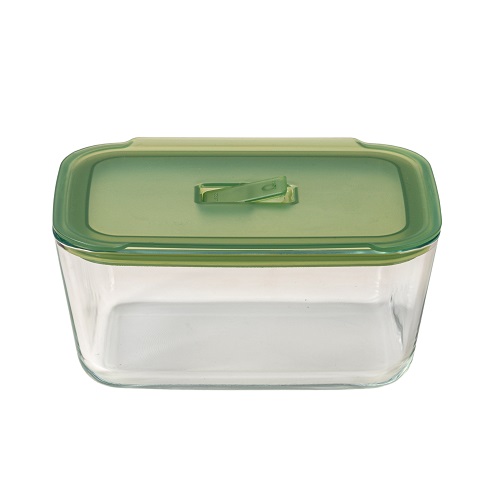 Vacuum Food Storage
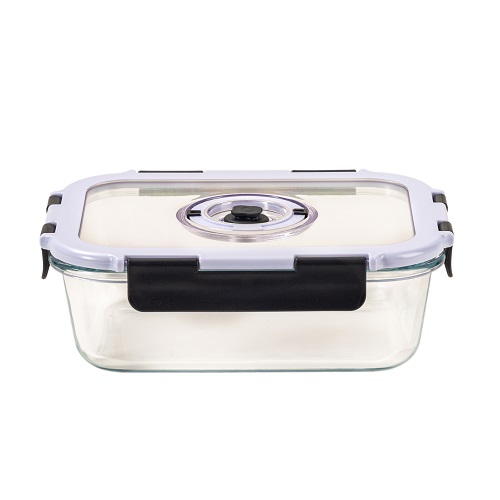 Vacuum Food Storage with Pump
 October 11,2026
 October 11,2026
 October 07,2026
Copyright ©2025 All Rights Reserved by Jiangsu Besfull Technology Co., Ltd.