
Meta Description: Transform your relationship with leftovers through glass food storage containers. Learn psychological strategies for actually eating what you store.
Leftovers represent potential waste or future meals. Psychology influences which outcome occurs. Glass food storage containers leverage psychological principles that make leftovers appealing rather than forgettable.
The Visibility Effect
Hidden leftovers become forgotten leftovers. Opaque containers hide contents from consciousness. Glass food storage containers maintain visibility, keeping leftovers mentally present. Visible food gets eaten .
Aesthetic Appeal
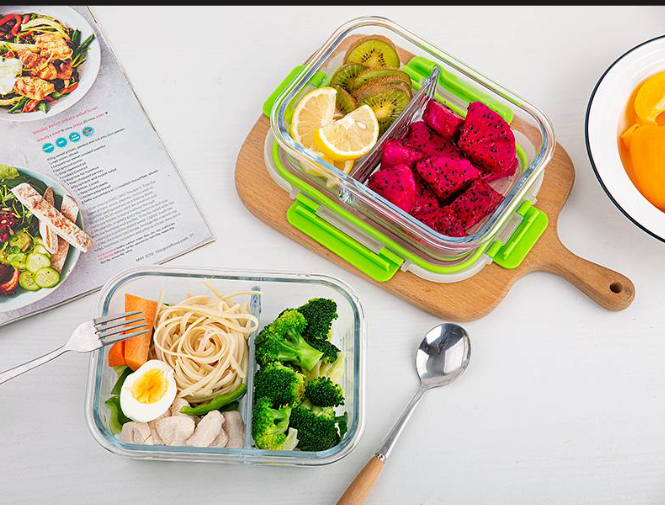
Attractive food appeals more than unappealing food. Glass food storage containers showcase leftovers attractively. The same food looks more appetizing in clear glass than stained plastic. Aesthetics influence consumption .
Portion Perception
Large containers overwhelm, discouraging consumption. Glass food storage containers in appropriate portions make leftovers manageable. Single-serving containers present achievable meals .
Labeling Benefits
Labeled leftovers feel intentional rather than mysterious. When glass food storage containers display contents and dates, leftovers become planned meals rather than unknown quantities. Intention increases consumption .
Freshness Confidence
Confidence in freshness affects willingness to eat leftovers. Glass food storage containers with airtight seals maintain freshness longer. Clear glass allows inspection without opening. Confidence increases consumption .
The Sunday Reset
Weekly refrigerator reset transforms leftovers from burden to resource. Gather all glass food storage containers, assess contents, plan meals around what needs using. Reset prevents accumulation .
Creative Repurposing
Leftovers become new meals with creativity. Glass food storage containers allow ingredient visibility for repurposing planning. Roasted vegetables become frittata. Grains become salads. Creativity prevents waste .
Family Engagement
Involve family in leftover management. Children choose from visible glass food storage containers options. Family members take ownership of using leftovers. Shared responsibility reduces waste .
Freezer Strategy
Freeze leftovers in glass food storage containers for future meals. Freezing preserves options beyond immediate consumption. Future self appreciates available meals. Strategy prevents waste .
The Three-Day Rule
Implement three-day leftover rule. Food stored in glass food storage containers should be eaten within three days or frozen. This prevents indefinite refrigerator storage and eventual waste .
Mindful Leftover Planning
Plan for leftovers when cooking. Prepare extra intentionally. Store immediately in glass food storage containers. Label clearly. Leftovers become planned meals rather than afterthoughts .
Celebrating Success
Acknowledge when leftovers get used. Empty glass food storage containers represent success—food eaten, waste avoided, money saved. Celebrate this achievement. Positive reinforcement builds habits .
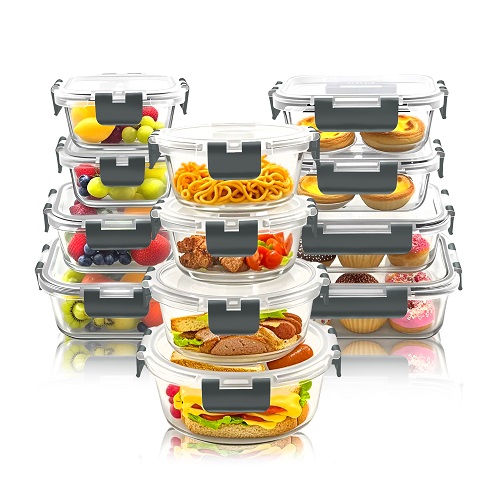 Glass Food Storage
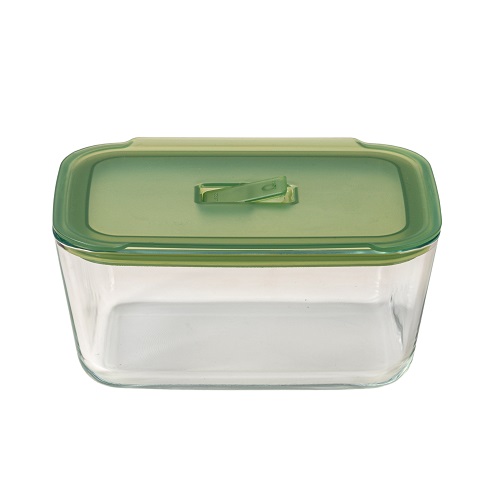 Vacuum Food Storage
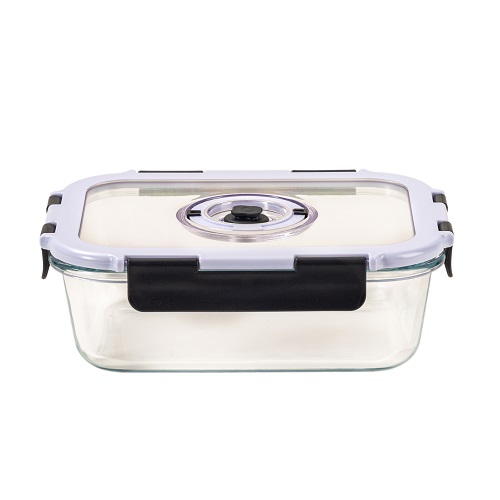 Vacuum Food Storage with Pump
 October 11,2026
 October 11,2026
 October 07,2026
Copyright ©2025 All Rights Reserved by Jiangsu Besfull Technology Co., Ltd.